
How Power Surges in South Florida Cause Kitchen Appliance Damage
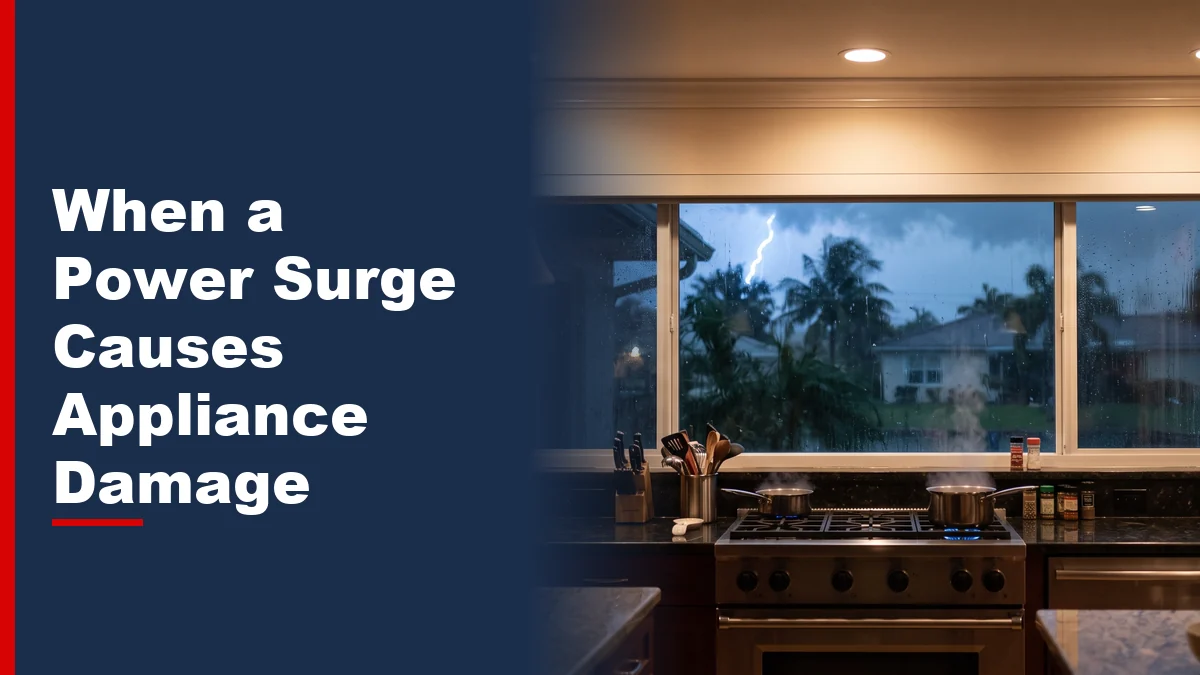
A single lightning-driven electrical event can travel through household wiring in a fraction of a second and leave behind severe power surge appliance damage that only becomes noticeable the next time you turn your oven on. In South Florida homes, the kitchen typically suffers the worst impact due to its high concentration of delicate control boards, sealed compressors, and high-wattage heating elements. If your oven or range stopped working right after a thunderstorm or a power flicker, an electrical voltage spike was likely the culprit.
While South Florida’s power grid absorbs significant electrical stress, nearby lightning strikes, downed lines, or severe storm power restorations can easily push excessive voltage directly through kitchen circuits. Modern kitchen appliances rely heavily on sensitive microprocessors and delicate control circuitry, making them especially vulnerable when voltage spikes hit your home’s electrical system.
How Surges Reach Your Kitchen
A power surge occurs when excess voltage enters an electrical circuit above its normal operating limit. These spikes generally stem from three sources: direct or indirect lightning strikes, utility grid switching (including post-outage power restoration), or internal electrical switching caused by high-draw equipment like central air conditioners.
South Florida experiences frequent tropical storms and severe summer lightning activity. According to National Weather Service lightning safety data, South Florida leads the nation in annual lightning density. A single ground strike can instantly travel through electrical lines, causing widespread power surge appliance damage across multiple plugged-in kitchen appliances simultaneously.
Five Ways Surges Cause Appliance Damage
While minor electrical fluctuations happen daily, a sudden high-voltage spike can destroy sensitive internal components. In South Florida kitchens, power surge appliance damage typically occurs in the following ways:
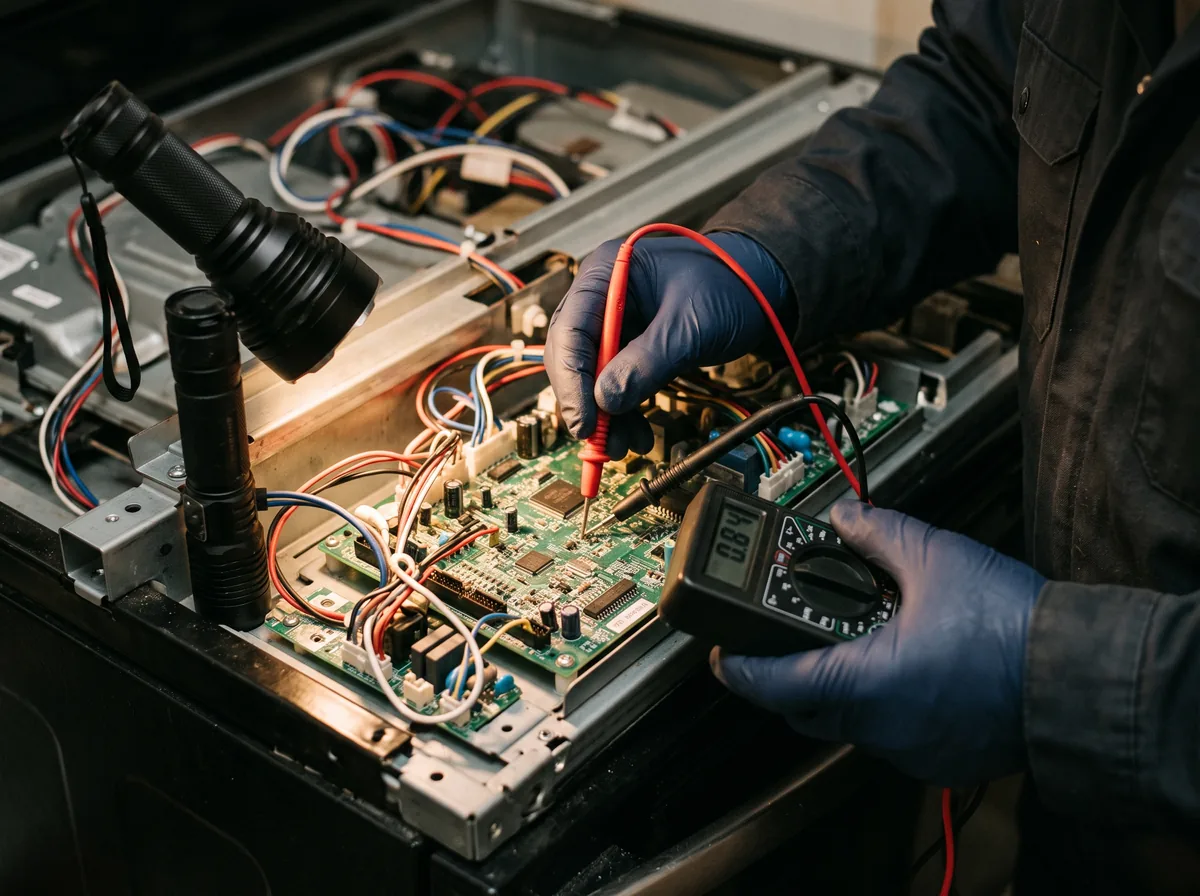
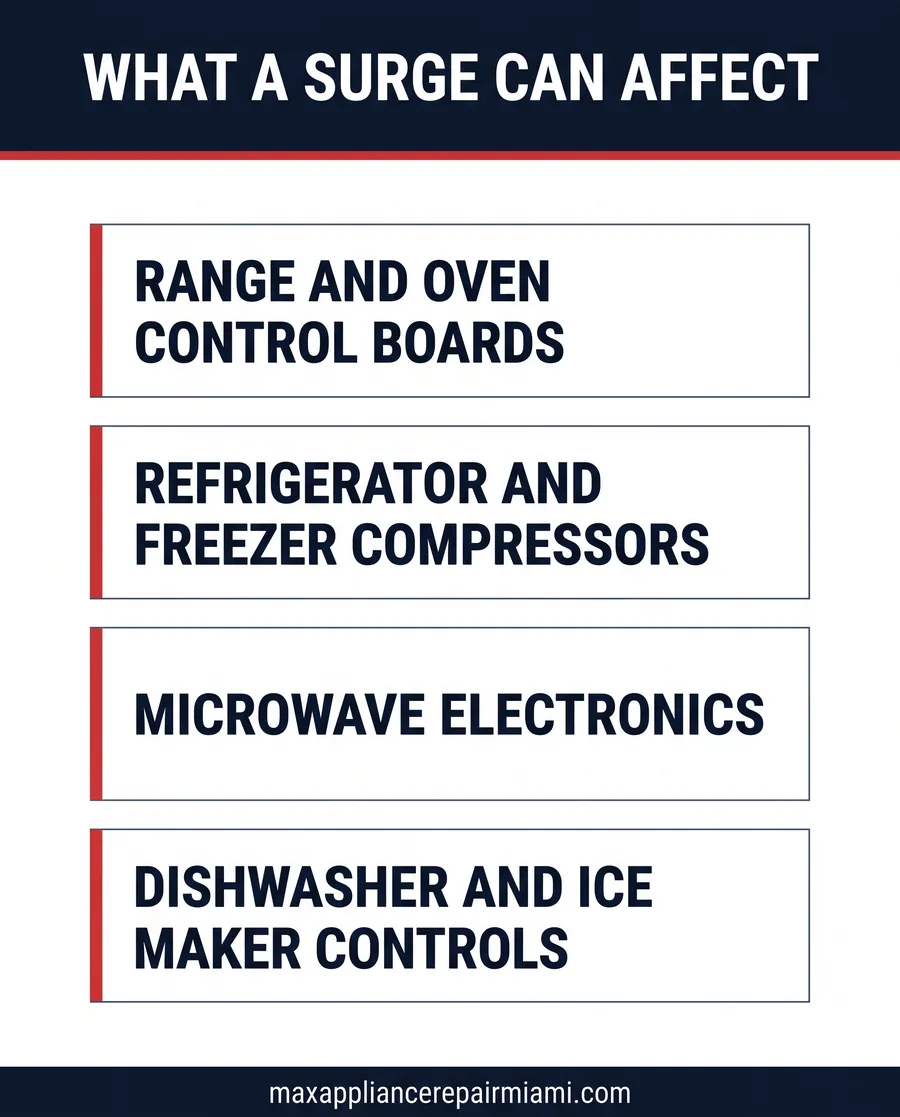
- Control Board Failure: Excessive voltage fries the primary electronic control board in ranges, ovens, or dishwashers, disabling ignition and cycle execution. Needs professional range and oven repair to replace damaged circuitry.
- Compressor Winding Strain: Voltage spikes scorch or weaken the start windings inside refrigerator and freezer compressors, leading to premature motor failure.
- Microwave Component Burnout: Surges damage high-voltage capacitors, magnetrons, or touchpads, requiring targeted microwave control panel repair.
- Digital Touchscreen Degradation: Sensitive modern digital displays and smart interfaces short-circuit far faster than traditional electromechanical dials.
- Cumulative Circuit Wear: Repeated minor power spikes gradually degrade sensitive electronic components over time until the circuit fails completely.
Did you know?
Internal power surges occur inside your home whenever heavy motorized appliances, like large garbage disposals or AC compressors, kick on. Installing dedicated point-of-use surge suppressors on major kitchen units helps buffer sensitive electronics against these routine voltage fluctuations.
Protecting Your Kitchen Appliances
While lightning strikes cannot be prevented, you can shield your kitchen equipment from electrical damage by taking proactive precautions:
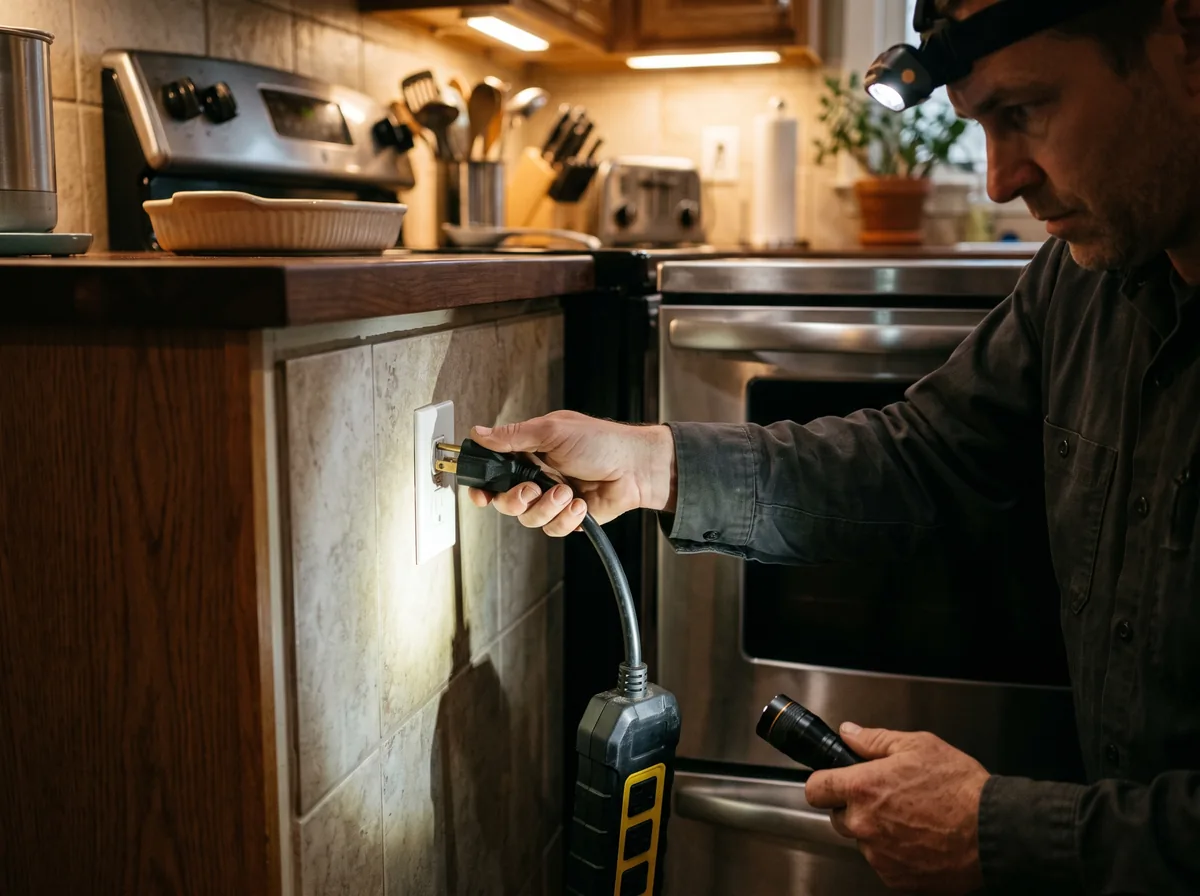
- Unplug countertop appliances (coffeemakers, microwaves, toaster ovens) prior to severe tropical storms.
- Install appliance-rated point-of-use surge protective devices (SPDs) designed for heavy electrical loads.
- Consult a licensed electrician about installing whole-home, panel-mounted surge protectors.
- Document appliance serial numbers, model information, and purchase receipts for swift warranty or insurance claims.
Florida Power & Light (FPL) highlights lightning as a primary cause of grid fluctuations across South Florida. Reviewing FPL surge protection program details offers valuable context on safeguarding major home appliances.
Red Flag Warning
If an appliance emits a burning odor, exhibits a blank or scrambled control panel, or trips your circuit breaker immediately after a storm, disconnect its power source right away. Operating a surge-damaged appliance creates severe fire and electrical safety risks.
What to Do After a Surge
The most common sign of power surge appliance damage is erratic behavior following a storm or outage. First, inspect your main breaker panel to rule out tripped switches. Next, document any unresponsive touchpads, unusual error codes, or failing cooling systems. Avoid repeatedly cycling power on malfunctioning units, as this can worsen electrical damage.
Reviewing our detailed guide on appliance fire hazards in Miami homes highlights essential warning signs, as compromised circuitry and fire hazards are closely linked. Contact your home insurance carrier promptly to verify policy coverage for storm-related electrical damage.
Download the Free Quick Guide
A printable checklist covering storm prep, post-surge diagnostic steps, and key questions for your electrician or technician.
Frequently Asked Questions
Electrical storms are an inevitable part of living in South Florida. If a kitchen unit behaves erratically following a severe weather event, treat it as potential power surge appliance damage. If your refrigerator, oven, or dishwasher has malfunctioned after a lightning storm, schedule a Miami appliance repair visit today for an accurate diagnostic evaluation.